


How to Fall Asleep and Wake Up Refreshed
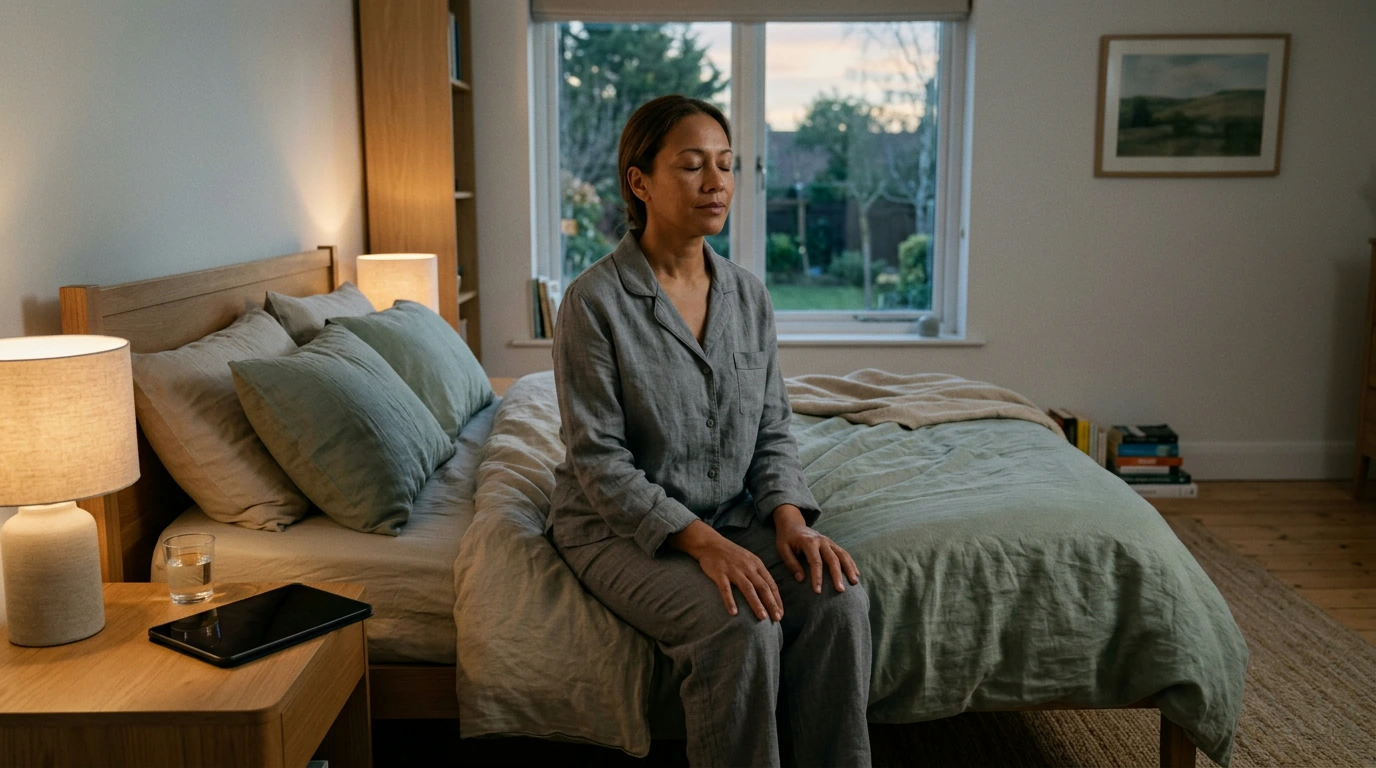
Bedtime does not have to be a nightly test of how quickly you can fall asleep. A gentler routine can give you space to unwind, notice what helps you relax, and approach rest without so much pressure. Our team recommends starting with small changes you can repeat, rather than expecting a perfect night right away.
For extra guidance, our digital sleep guide is a convenient starting point for exploring relaxation techniques and sleep habits. It does not promise a two-minute result, but it can help you make room for a calmer bedtime.
Give Yourself Time to Wind Down
A consistent bedtime can help establish a rhythm, especially when you pair it with a quieter period before bed. You do not need an elaborate ritual. Choose a few simple actions that signal the day is slowing down, such as dimming the lights, setting aside work, or reading something undemanding.
Consider putting stimulating activities away before you plan to sleep. If checking messages tends to keep your mind busy, leave your phone out of reach or silence notifications. Make your bedroom as comfortable as you can, with a temperature, lighting, and bedding that feel right to you.
Give yourself flexibility, too. Sleep needs vary, and the time it takes to fall asleep can change from night to night. A routine is there to support you, not to become another task you have to complete perfectly.
Try a Simple Relaxation Routine
Once you are ready for bed, settle into a comfortable position and take a few slow, easy breaths. Let your shoulders soften, then gently release any tension you notice in your jaw, hands, or legs. You do not have to control every breath or relax every muscle. Simply notice what feels comfortable.
If your thoughts wander, bring your attention back to breathing or another calming sensation. Rather than watching the clock or trying to force sleep, let rest be the immediate goal. Turning a clock away can help if you find yourself checking the time repeatedly.
If you are lying awake and becoming frustrated, get out of bed and do something quiet in low light, such as reading a few pages of a book. Return to bed when you feel sleepy. This reset can make the experience feel less like a struggle.
| Step | What to try | Purpose |
|---|---|---|
| Prepare | Dim the lights and put screens aside | Create a calmer setting |
| Relax | Breathe slowly and gently release muscle tension | Ease into rest |
| Reset | If unable to sleep, try a quiet activity until sleepy | Avoid making bedtime a struggle |
Explore the Digital Sleep Guide
If you would like a resource to explore at your own pace, our How to Fall Asleep Fast and Wake Up Refreshed digital guide focuses on sleep and relaxation techniques. Its listed price is $5.99 USD; visit the product page for current purchase details.
A digital guide can be a convenient choice if you want ideas for shaping a routine around your preferences. You might try one technique at a time and notice whether it helps you feel more settled. Falling asleep in two minutes is not guaranteed, and the guide is not a substitute for medical care.
If keeping track of your routines helps you stay consistent, our Strength After 40 Weekly Planner is another option to consider. You could use a weekly planner to note a wake time or make room for daytime activity without turning bedtime into a rigid checklist.
Build Habits That Support Better Sleep
What happens during the day can make a difference at night. Try waking up at a consistent time, including on weekends when practical. Pay attention to when you have caffeine, too: an afternoon or evening drink may make it harder for some people to settle down later.
Regular physical activity can support healthy sleep. Choose movement that fits your day and feels sustainable, whether that means a walk, a workout, or another activity you enjoy. If exercising close to bedtime leaves you feeling alert, experiment with an earlier time.
Start with one manageable change and give it time. Feeling refreshed can take more than one night, and a difficult evening does not mean your efforts have failed. The CDC’s overview of sleep and the NHLBI’s healthy sleep habits offer more information to help you build a routine.
Talk with a healthcare professional if sleep difficulties persist, you snore loudly, or you regularly feel sleepy during the day. Those concerns deserve individual attention rather than a promise of a quick fix.
Before choosing, compare the product details with your daily routine, available space, care needs, and preferred setup. The strongest option is usually the one that fits the intended use clearly and remains simple to clean, store, and check before repeat use.
FAQ
Can I fall asleep in two minutes?
Some people fall asleep quickly, but the time varies. Relaxation can support a calmer bedtime without guaranteeing a particular result.
What can I do if I cannot fall asleep?
Try a quiet, relaxing activity away from bed and return when you feel sleepy. If sleep difficulties persist, speak with a healthcare professional.
Is it correct to say I fall asleep?
Yes. Use “I fall asleep” to describe a usual habit and “I fell asleep” to describe a past event.















Leave a comment